
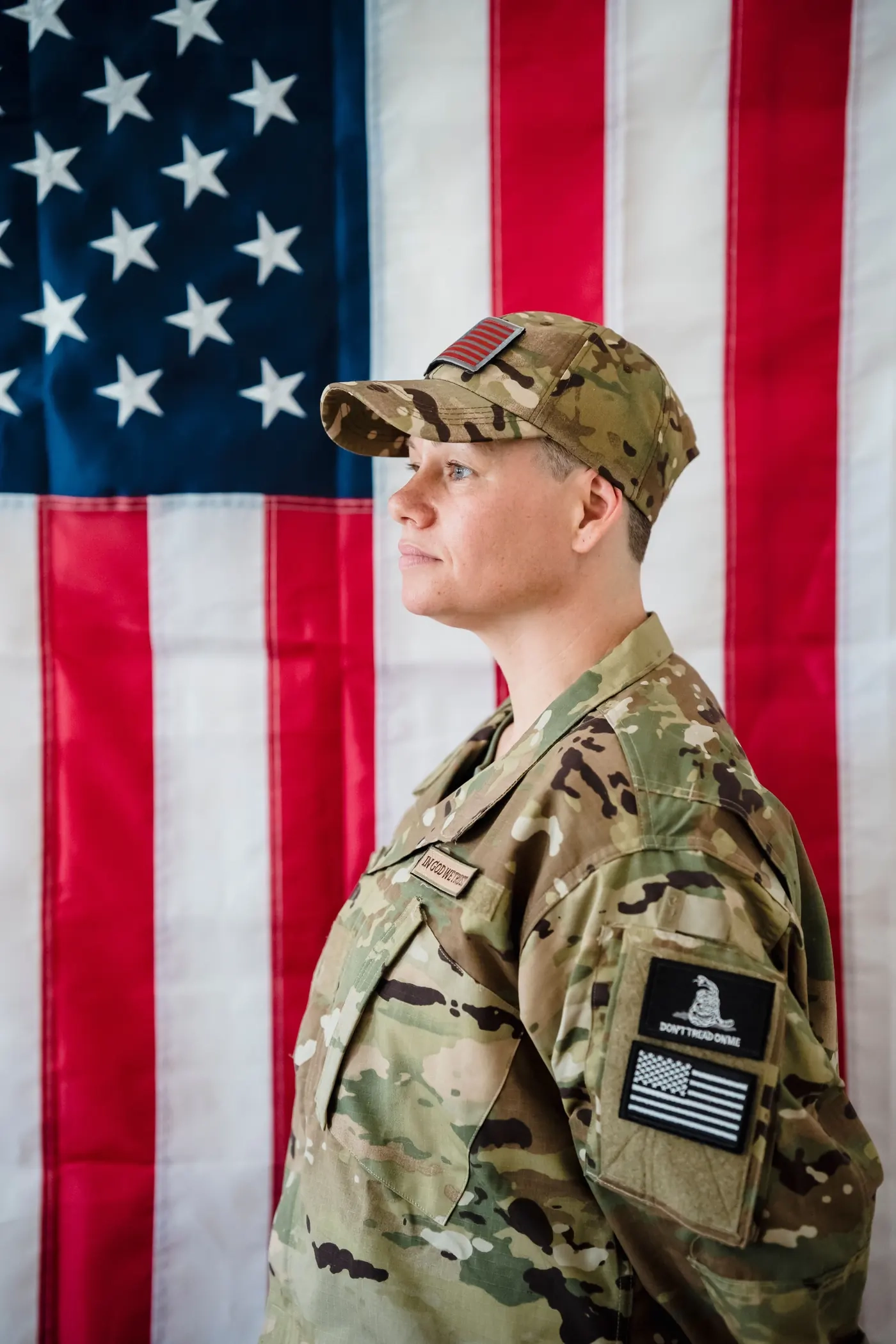
What military dating means here
Military dating is not one single experience. It can involve active duty schedules, reserve commitments, veteran life, distance, relocation, family responsibilities, and careers that have nothing to do with military service. The common thread is a willingness to approach those realities with maturity. This site is intended for adults who want to meet around that shared understanding.
People currently serving can meet civilians, veterans, reservists, Guard members, or other active duty singles. Veterans can meet people who respect their past without assuming that service defines everything about them. Civilians do not need prior military experience. They do need to approach the community as people, not as uniforms, titles, or romantic stereotypes.
Who can use American Military Dating?
Active duty service members
Changing schedules can make ordinary dating apps feel disconnected from daily reality. A focused community provides a clearer place to explain availability, relationship goals, and what dependable communication looks like for you.
Reservists and National Guard members
Reserve and Guard life can combine civilian work, training, family, travel, and service commitments. Dating works better when both people are willing to discuss that balance instead of making assumptions about it.
Veterans
Veterans may want someone who appreciates service experience while remaining interested in the present. A good profile can acknowledge that background without turning it into the entire story.
Civilians interested in military singles
Civilians are welcome. Curiosity is natural, but respectful questions matter. Ask about interests, goals, values, and everyday life before asking for personal service details. Avoid assuming that rank, branch, uniform, or deployment history tells you what someone wants from a relationship.
How to make a stronger start
Use your profile to give people a real reason to begin a conversation. Explain what you enjoy, what kind of connection you are open to, how you prefer to communicate, and what a comfortable first meeting might look like. Do not publish sensitive schedules, workplace details, addresses, travel movements, or information that could identify other people.
An opening message should respond to something specific in the other person’s profile. A thoughtful question about a hobby, favorite place, or shared goal is more useful than a comment focused only on appearance or uniform. If someone has not chosen to discuss their service, let them decide when and how to introduce it.
Military dating without stereotypes
Military-connected people are not a single personality type. Some want a serious relationship, some want companionship, and others are still learning what fits their lives. Service does not guarantee discipline in relationships, emotional compatibility, political views, or any particular future. Civilians are equally varied. The purpose of a focused site is to create relevant context, not to replace individual judgment.
Good connections develop when both people can be honest about availability and expectations. If contact will sometimes be limited, say so without sharing sensitive information. If regular communication is important to you, explain what regular means. Clear expectations reduce the pressure to interpret every delayed message.
Distance and changing plans
Travel and relocation can affect military-connected dating, but distance should not become an excuse for inconsistency or secrecy. Discuss how often you want to communicate, whether you are both open to travel, and what would need to happen before either person considers a larger commitment. Plans should become more specific only as trust grows.
Be cautious when someone uses a military story to create urgency, avoid ordinary questions, or request money. A uniform photograph is not proof of identity. Keep early communication measured, protect personal information, and review the military dating safety guide before moving a conversation away from the platform.
Common questions
Can civilians join?
Yes. The community welcomes civilians who genuinely want to meet military-connected singles and who approach the experience respectfully.
Is every person currently serving?
No. The audience includes active duty members, reservists, National Guard members, veterans, and civilians.
Should I mention my service in my profile?
Only at the level that feels comfortable and safe. Avoid publishing sensitive details, exact schedules, or information about other people.
How can I avoid treating someone like a uniform?
Ask about the whole person. Focus on interests, values, daily life, and relationship goals instead of leading with branch, rank, or appearance.
Where can I find local guidance?
Use the military dating locations directory to explore state and city guidance across the United States.